

What Makes a Good Community?
What pupils consider to be important for the life of a community, the extent to which they take into account the needs of others.
How can I make world a better place?

What pupils think and know about actions they can take to make the world a more just and sustainable place
Which tomatoes would you buy?

What criteria shape pupils’ decisions about the products they buy? To what extent do ethical or environmental implications influence their behaviour as consumers?
To Build or Not to Build?
Explore pupils’ attitudes to environmental and social issues around their local area, and to what extent they can think critically and broadly about multiple viewpoints..
What questions can you ask?
Find out what pupils know and think about water security, climate change and the importance of water conservation, and how that knowledge impacts on their own behaviour.
How much water can you save?

Assess pupils’ knowledge and understanding about water conservation, the connections between water conserving actions and environmental issues around the world, and pupils’ attitudes towards what’s realistic in terms of changes in behaviour.
Which energy for the future?
What pupils know and think about the impacts of energy production and consumption. Explore how pupils make choices about their own futures, the future of others and that of the planet.
What’s the best way to protect the environment?
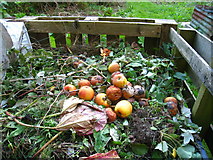
What pupils think and know about the impact of our choices on the environment, the connections between local environmental actions and global impacts, and their own willingness to take action for the environment.
Fair or Unfair?

What pupils understand by the term ‘fair’ and how developed their understanding of justice is. Do they think injustice is inevitable?
What’s the best way to stop a conflict?

What pupils think about a range of ways in which they could resolve a conflict.