

What would make most difference?
- 10 min
- 7-16 years
- SUSTAINABILITY • INTERDEPENDENCE
What do I want to find out?
What pupils think and know about the impact of our choices on the environment, the connections between local environmental actions and global impacts, and their own willingness to take action for the environment.
What do I need?
- Select nine statements from the lists below, ensuring you have a selection from a range of high, medium and low priorities. Bear in mind that the priority status of the statement may change depending on what it is being compared to. Alternatives for younger pupils and for SEN pupils can be found further in Alternatives and Adaptations.
- Create a set of cards with one statement on each, for each group of pupils.
Suggested first statements:
give money to save a panda (L)
walk to school (M)
buy food grown by local farmers (H)
only buy what you need (H)
never waste water (M)
save electricity (M)
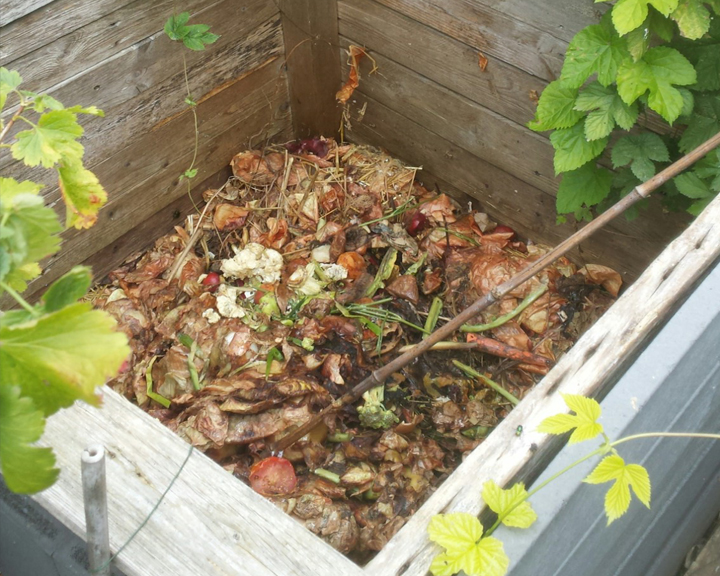
start a compost heap in your garden (H)
recycle everything you can (L)
give unwanted items to charity shops (L)
Follow up or alternative statements
create habitats for minibeasts (H)
avoid products with palm oil (H)
become vegetarian (M)
buy Fairtrade and organic products (H but buy local first!)
use up leftover food (H)
say no to plastic bags (M)
share your car with others (M)
support a charity that protects indigenous people’s land rights (H indigenous people are often guardians of huge tracts of as yet undeveloped land)
choose local seasonal food (M)
support Friends of the Earth/Greenpeace (L)
pick up litter (M)
clean up dog mess (L)
buy products with less packaging (H)
reuse waste packaging before recycling (M)
collect rainwater to water your garden (H)
buy ‘bags for life’ when shopping instead of plastic carrier bags (L)
What do I do?
- With pupils in small groups of four or five, ask them to look at the statements.
- Give a short explanation of any card the pupils don’t understand.
- Ask the pupils to arrange the nine cards into a diamond pattern with the most important at the top and the least important at the bottom. The position of the cards can be moved around until the group is agreed on the ranking.
- Note pupils’ comments and discussions as they do the activity.
- Once consensus has been reached, record the position of each card. Photographing them is a quick and easy method to record their position.
How do I analyse the results?
- Score the results as follows for each group: cards placed in the top position get a score of 9, the second row a score of 7, then 5, 3 and finally, the card in the bottom position gets a score of 1.
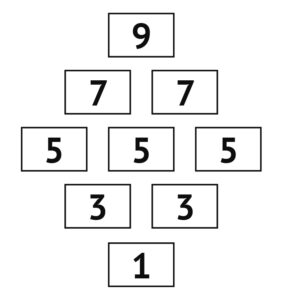
- Add together the scores for each card.
- Arrange the cards in a diamond reflecting the total scores for the class and photograph it, or record the scores.
- Blanks cards can be included for pupils to create their own statements.
Alternatives and Adaptations
- For 3 – 7 or Special Educational Needs (SEN) pupils use four cards to arrange in a smaller diamond (scoring rows from the top 3, 2 and 1).
- We suggest using:
- Only buy what you need
- Recycle everything you can
- Walk to school
- Never waste water
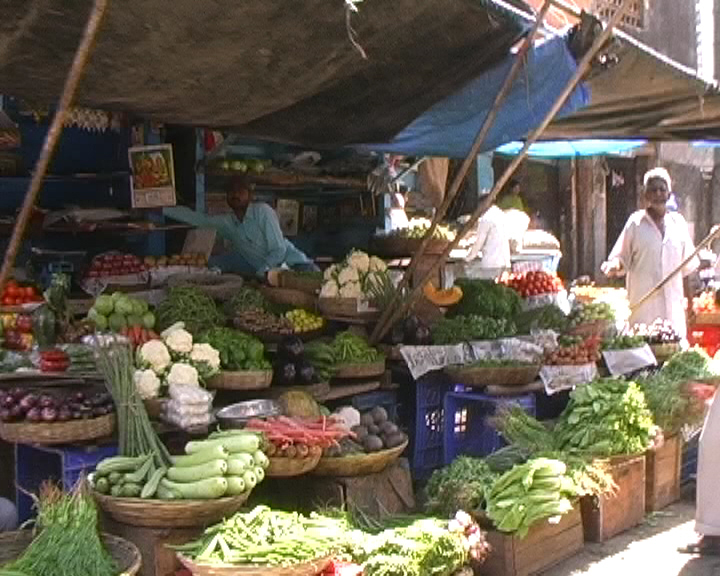
- Alternatively, you can use photos with captions. For SEN pupils using images such as photos or clipart may be preferable, to represent the statements visually.
Re-activity
This is an alternative version designed to find out about the impact of our choices specifically in relation to consumption and waste.
- In this adaptation, use a set of nine cards for each group, with one of the following statements:
Re-use
Re-charge
Refuse (say no!)
Recycle
Re-fill
Re-think
Reclaim
Reduce
Repair - Working in the same way as the activity above, spread the cards out and ask the pupils to rank them in response to the question What is the best way of reducing waste?
- Record and score the results in the same way as before.
How do I measure the change?
- Use alternative cards with the same criteria as for the baseline activity, or use the Re-Activity to measure change.
- Compare the extent to which pupils’ understanding of the impact on the environment has increased. Are they more likely to rank high priority actions at the top of the diamond, and low priority actions at the bottom than in the baseline? Do their comments and discussions indicate a greater willingness to take action?
- Note whether pupils are better able to discuss the intricacies of each statement and understand multiple reasons and differing viewpoints on each.
- Observe whether they make connections between consumption and waste by choosing to place statements such as Only buy what you need or Buy products with less packaging moving to the top of the diamond.