

How British is Britain?
What pupils understand by the term “British” in relation to culture and identity. Substitute the name of whichever country your pupils live and work in.
What do these children need?
What needs do pupils attribute to children in different parts of world, and to what extent do stereotypes about different countries and people affect their choices?
What does home mean to you?
Explore pupils’ attitudes to the idea of home and discover what criteria they use to judge what is important. To what extent do they consider everyone’s right to a home, the impact on the environment and the need for community and security?
Human Rights for Everyone?
Explore pupils’ attitudes towards the universality of human rights. To what extent do pupils think that human rights are universal and inherent, or do pupils think that should be earned?
Whose Responsibility are Human Rights?

Whether pupils are aware of Human Rights and how systems to protect them work around the world. To what extent pupils are willing to take advantage of opportunities to take action for social justice in relation to Human Rights.
Where do the world’s refugees go?
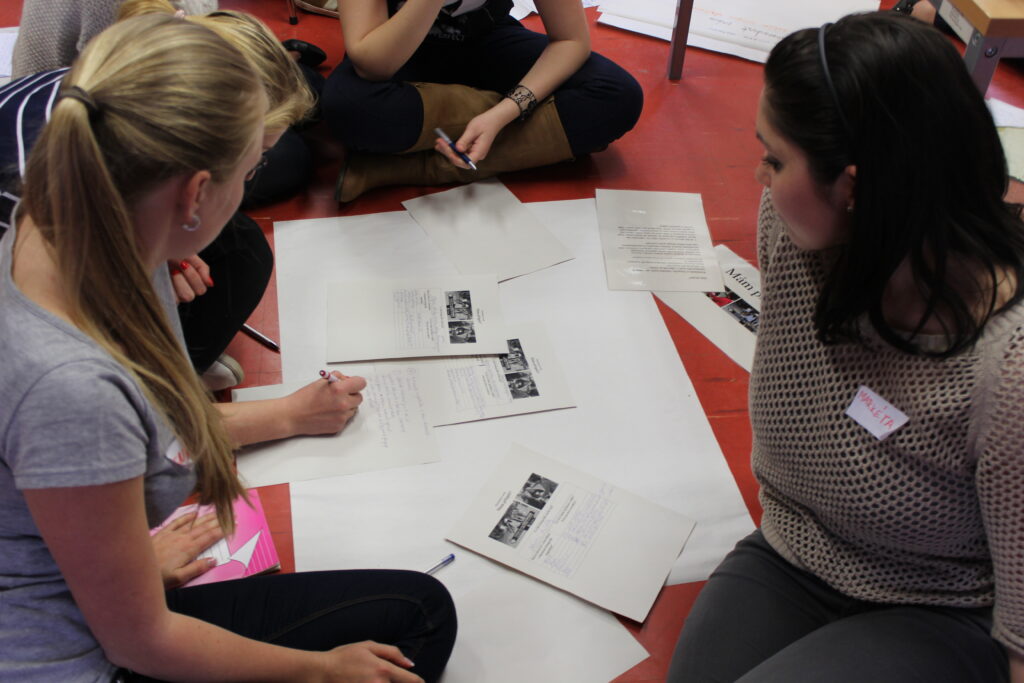
Pupils’ knowledge and understanding about the inequalities in the global distribution of population, wealth and refugees, and their attitudes to these inequalities. Explore awareness of bias in the media and pupils’ critical thinking skills.
What do you think about migrants?
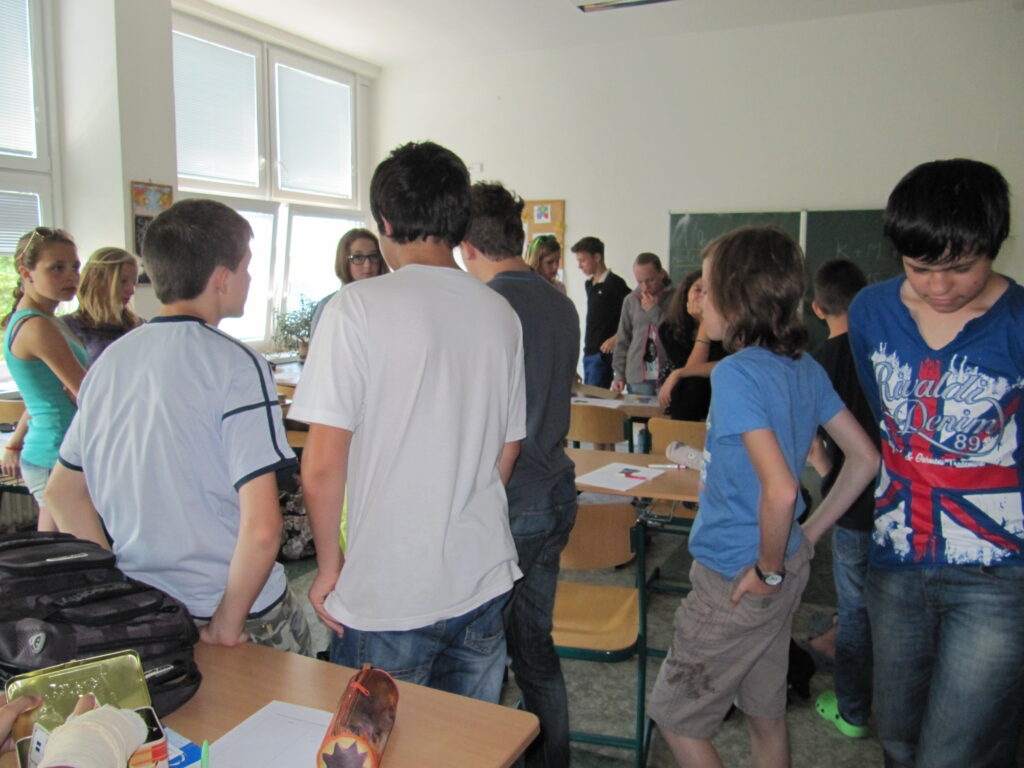
Find out what pupils think about migrants and whether pupils associate positive, neutral or negative characteristics with them. Explore pupils critical thinking skills and their awareness of bias in the media representation of migrants.
Can you do anything about it?
Find out about pupils´ attitudes towards participation in local and global issues, and about their willingness to take action.
Should I Donate?
Explore what pupils think about charity locally and globally, and their attitudes towards different approaches to poverty alleviation. Find out whether pupils feel they have a responsibility to participate and to what extent they are able to critically evaluate options for charitable giving.
Why are people poor?
Pupils’ attitudes towards poverty, its causes and consequences, and whether it is inevitable.