

Who would you choose to be you friend?
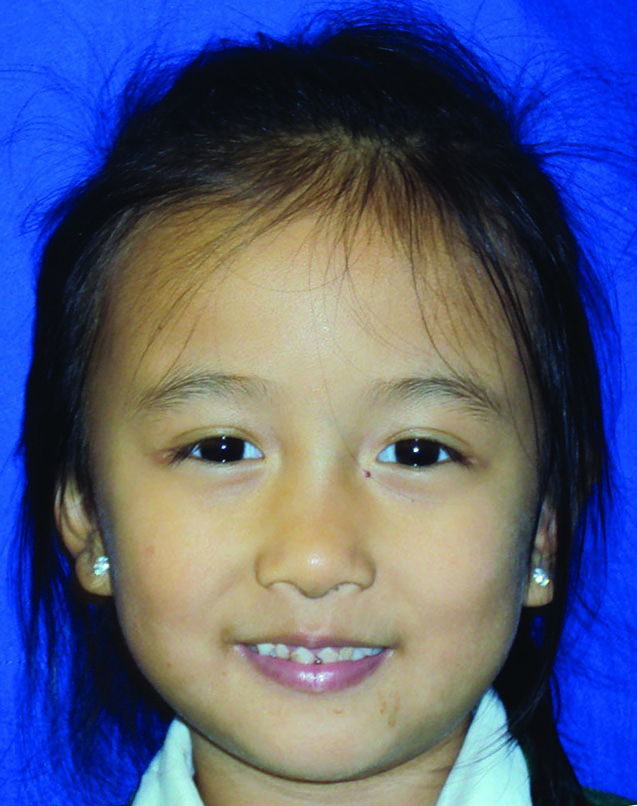
This activity is designed to find out to what extent pupils have preconceived ideas about who they would choose as a friend, based on appearance, ethnicity or gender.
What’s the same? What’s different?
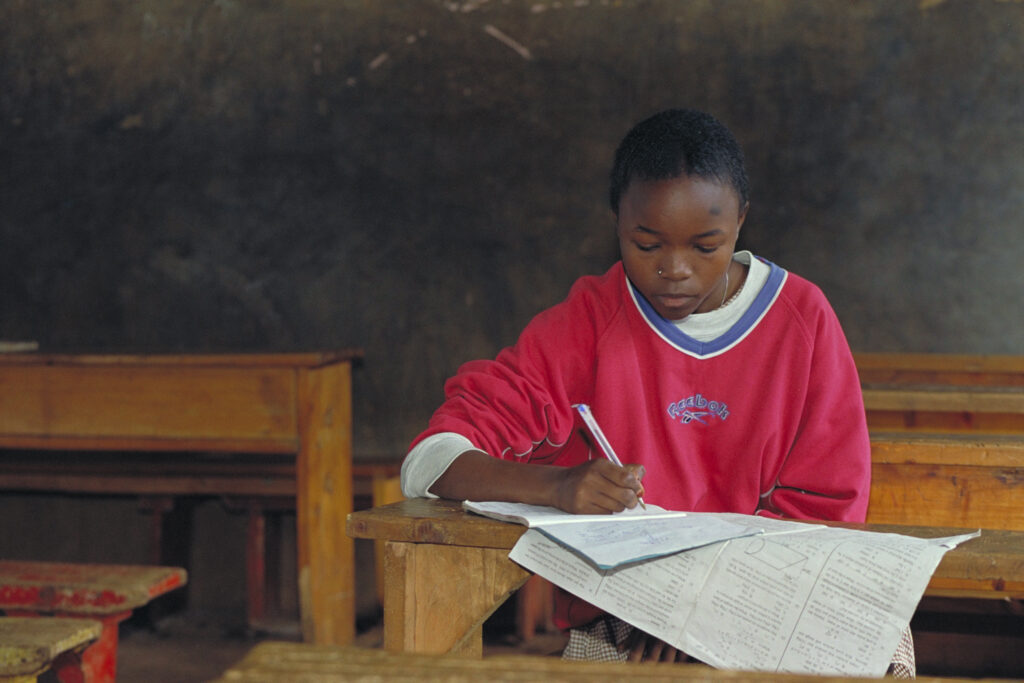
Are pupils able to think of other children or young people, who may live in very different places, as sharing many similarities to themselves.
What do you think they’re thinking?
To what extent are pupils able to see similarities between themselves and others and empathise with someone whose life may be different? To what extent are pupils’ responses stereotyped by gender, ethnicity or nationality?
China, UK or both?
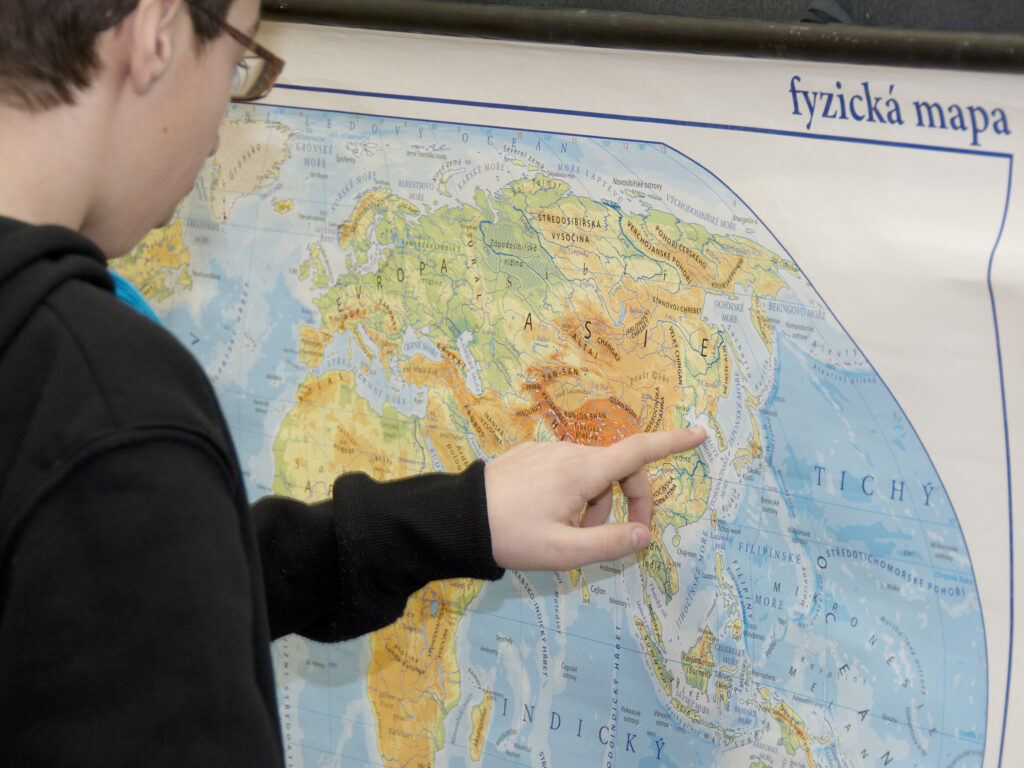
How aware are pupils of the similarities between their own country and others, and what are pupils’ preconceptions of lifestyles, food and products in other countries, and their awareness of the global nature of modern culture?
Brazil or UK?
Explore pupils’ perceptions of Brazil and the UK and find out if they recognise the diversity of people and places in both countries. Getting the right answers is less important than finding out why choices have been made.
Where in the world?
Whether pupils hold preconceived ideas about different people and places.
Majority World or Minority World?
Whether pupils hold preconceptions about the characteristics of Majority and Minority World countries, their similarities, and their understanding of development and global interdependence.
What would you see in a country in Africa?
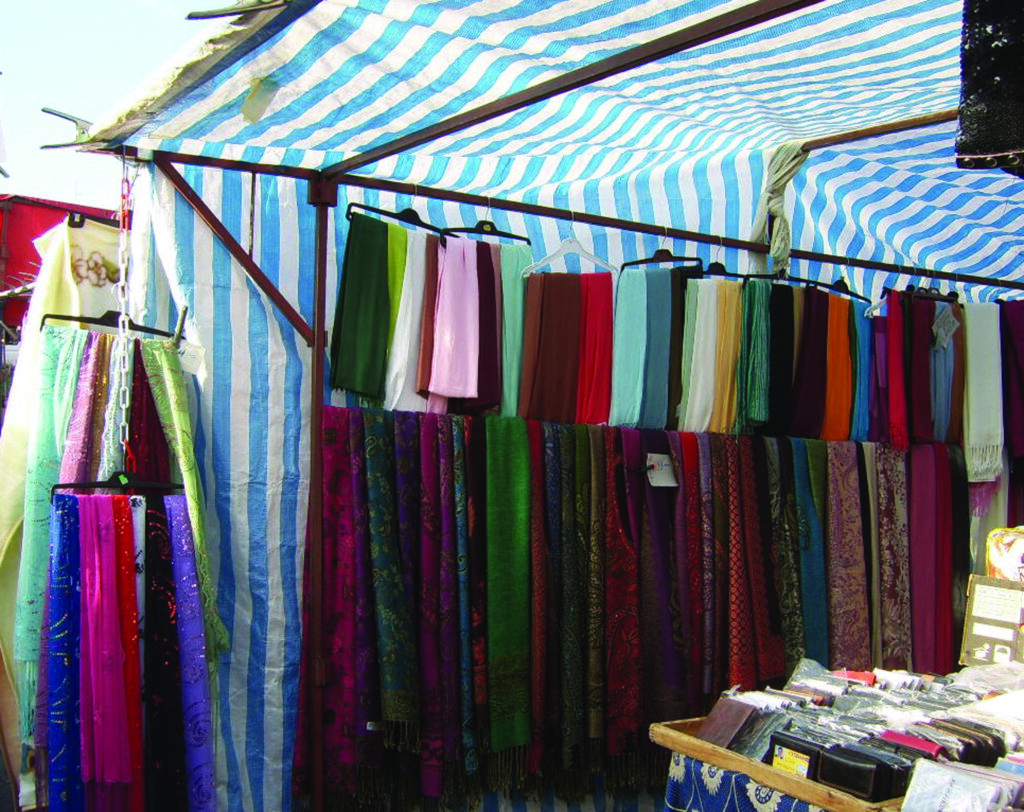
To what extent are pupils’ views of countries in Africa stereotypical?
Is this a family?
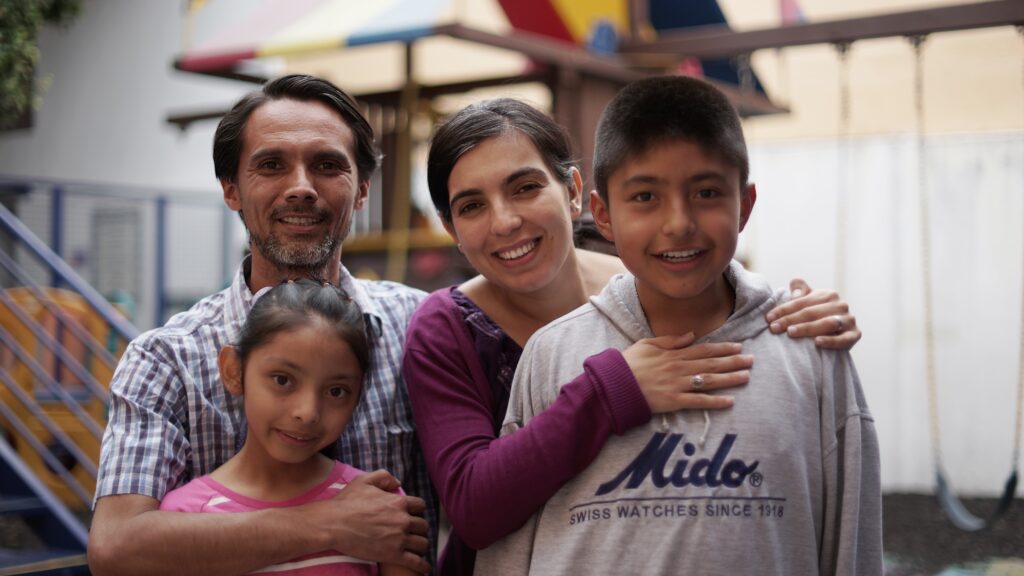
Discover pupils´ attitudes towards a diverse range of families. To what extent pupils are comfortable using appropriate language in relation to ethnicity and sexuality
Who will have which job?
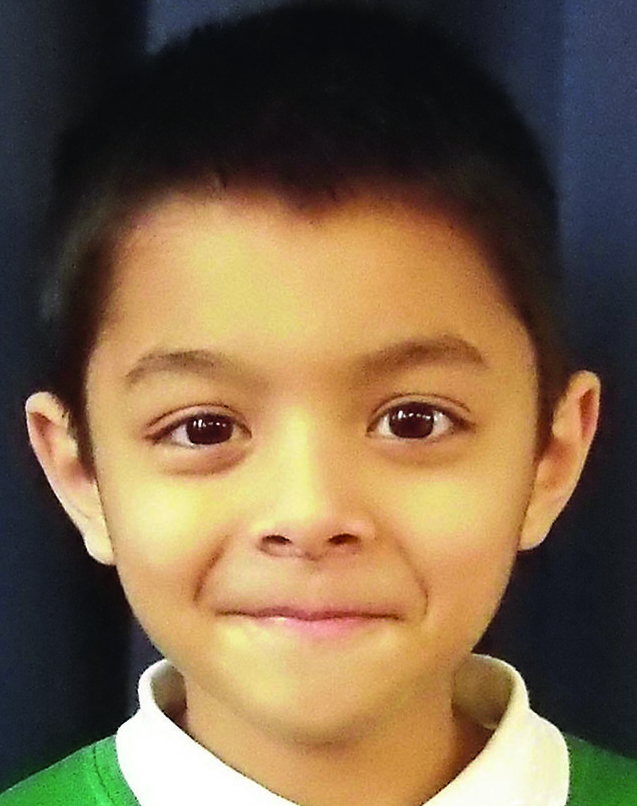
To what extent do pupils hold stereotyped ideas of gender and ethnicity?