Are pupils able to think of other children or young people, who may live in very different places, as sharing many similarities to themselves.
What do I need?
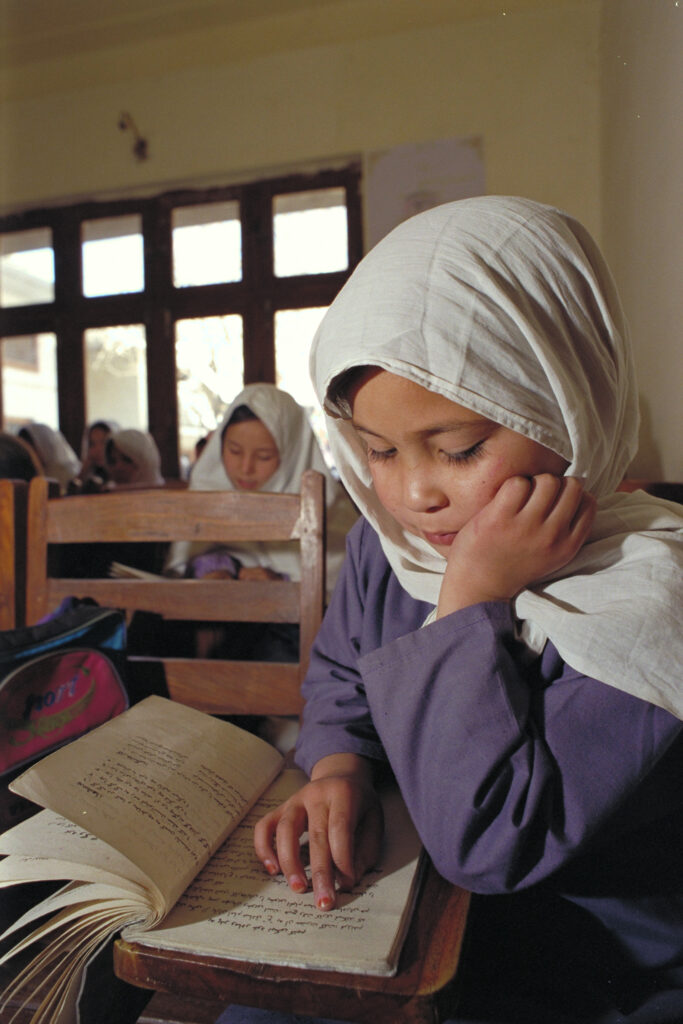
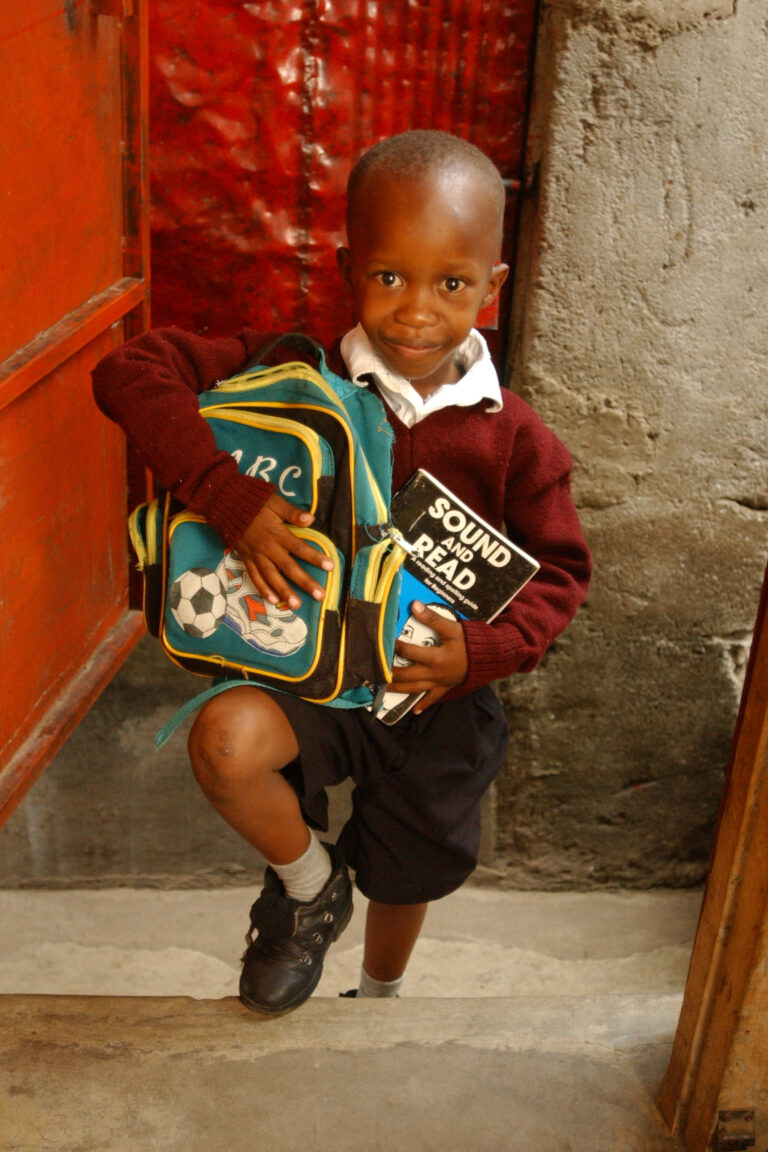
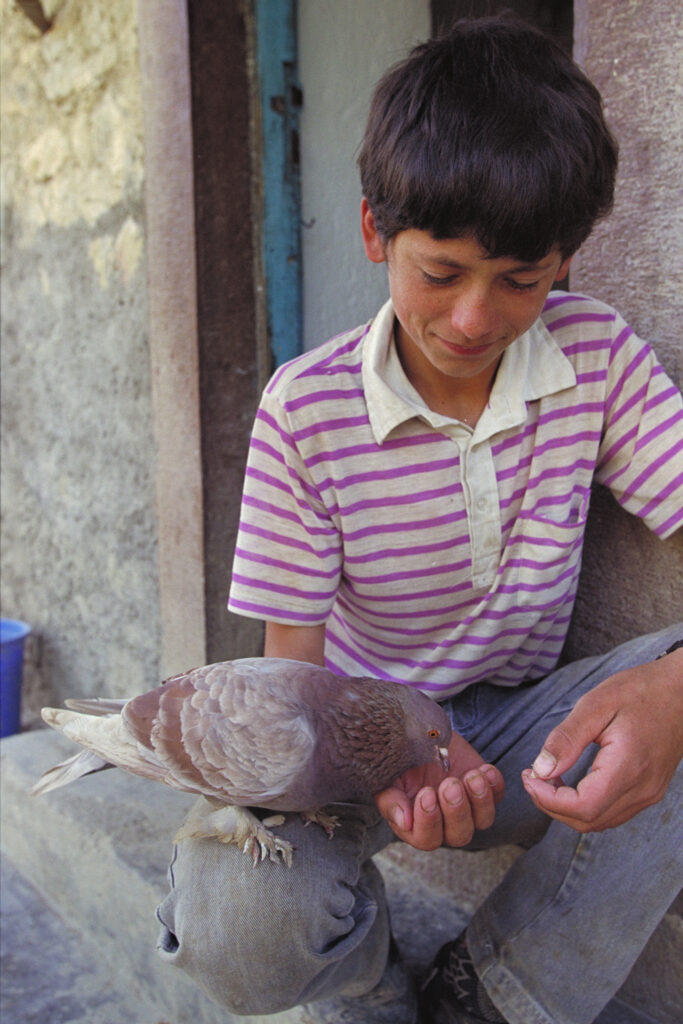
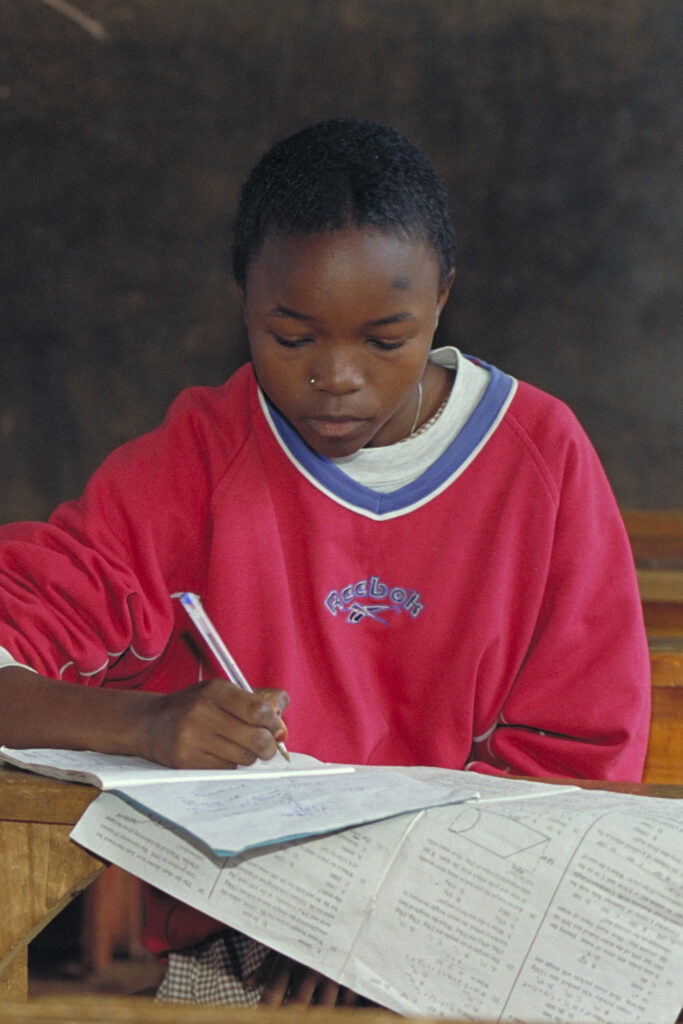
A photograph of a child of a similar age to the pupils doing the activity. This child should be engaged in an activity rather than posing for the camera. They should not be living in extreme wealth or pover- ty, or suffering from obvious neglect or disease.
For each group of pupils, one sheet of A3 paper divided into 2 columns, labelled Same and Different.
What do I do?
With the pupils in groups of three or four, give each group a copy of the photograph and the response sheet.
Ask pupils: What’s the same and what’s different about you and the child in the photograph? Write down everything you can think of in the appropriate column.
Collect the pupil response sheets
Younger pupils may need support with writing down responses; if so record responses yourself or ask colleagues or volunteers to be note takers
How do I analyse the results?
Review the pupils’ response sheets. Are there more in the Same column or in the Different column?
Look at the type of comments made, which are observations (from the photo) and which are assump- tions? Are they mainly, positive, negative, neutral, or a mixture? In a baseline audit it is common to see mainly observations in the Same column (he’s a boy and I’m a boy) and mainly assumptions in the Dif- ferent column (he’s too poor to go to school, he’s an orphan), while in a follow-up audit there is often a greater balance of observations and assumptions in each column.
A quick way to get a sense of the most common responses is to use wordle or tagxedo to create a word cloud where the most frequent responses appear largest. This allows for an easy comparison with follow-up responses.
How do I measure the change?
Depending on the time between first and second audit, either repeat the activity or use an alternative photo based on the same criteria.
Look out for an increase in references to the child’s personality, likes and dislikes, being part of a family or community, having aspirations for the future (he likes and cares for his toys, he has the right to play). Pupils who have a greater understanding of our shared humanity will have as many or more responses in the Same column, as in the Different column.
Look for an increase in comments questioning the activity, for example ‘you can’t tell what the child is like just from a photo’, and note whether pupils are less willing to make quick judgements about the child in the photograph.